The Complete Guide to Wood Heating in Mount Gambier: Efficient, Safe & Cost-Effective Solutions for Limestone Coast Homes
Quick Summary about Wood heating
Modern wood heating systems are highly efficient, cost-effective, and environmentally friendly when properly selected and maintained. In Mount Gambier, look for models with advanced features like dual baffles, thick fireboxes, and built-in fans to maximize warmth while minimizing fuel consumption. Always use seasoned hardwoods and follow manufacturer guidelines, especially for overnight operation. At Mates Rates, we offer comprehensive wood heating solutions, including a wide range of brands, council approvals, professional installation, and ongoing maintenance services.
Table of Contents
When the winter winds sweep across the Limestone Coast, there’s nothing quite like the warmth and ambiance of a quality wood heating system. For Mount Gambier residents, wood heating offers not just comfort but also a cost-effective and environmentally conscious way to keep homes warm throughout the cooler months.
This comprehensive guide covers everything you need to know about wood heating in Mount Gambier – from choosing the right system to maintaining it for years of reliable warmth.
Why Choose Wood Heating for Your Mount Gambier Home?
Mount Gambier’s cool climate makes wood heating an ideal choice for many homeowners. Unlike electric or gas heating, wood heating provides:
Cozy Atmosphere & Radiant Warmth
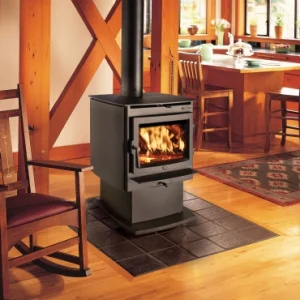
There’s an undeniable charm to watching flames dance behind glass while feeling the deep, penetrating warmth that only wood heating can provide. Modern wood heating systems combine this traditional appeal with cutting-edge efficiency technology.
Cost-Effective Heating Solution
With electricity prices continuing to rise, wood heating offers significant long-term savings. Seasoned hardwood is typically more affordable per BTU than electric or gas heating, especially when you consider that many wood heating systems can warm entire homes or large living areas.
Energy Independence
Wood heating reduces your reliance on the electrical grid. This is particularly valuable during power outages or extreme weather events when your wood heating system can continue operating independently.
Environmental Benefits
When using properly seasoned local hardwoods, wood heating can be carbon-neutral. Trees absorb CO2 as they grow, and burning wood simply releases this stored carbon back into the atmosphere – completing the natural carbon cycle.
Understanding Wood Heating Efficiency: Are Modern Systems Really Economical?
The question “Are wood heating systems efficient?” is one we hear frequently at our Mount Gambier showroom. The answer is definitively yes – when you choose the right system and operate it correctly.
Modern Efficiency Technologies
Today’s wood heating systems incorporate sophisticated features that maximize heat output while minimizing fuel consumption:
Firebrick Linings: These dense ceramic linings absorb and radiate heat long after the fire has died down. For example, Jindara’s Franklin radiant heater uses a dual-skinned baffle and firebrick lining to retain heat and provide 6–8 hour burn times.
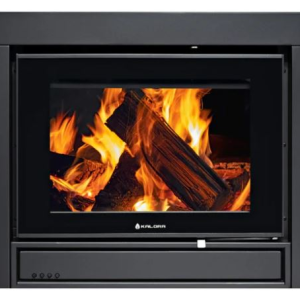
Advanced Baffle Systems: Heavy steel baffles create turbulence that burns off smoke and gases, extracting maximum energy from every log. Kalora’s Calisto range employs a 25mm refractory baffle that achieves heating capacities from 200m² to 320m².
Built-in Circulation Fans: Three-speed fans distribute warm air throughout your home more effectively. Many Coonara models feature these fans with cast-iron fireboxes for superior heat distribution.
Efficiency Ratings and Real-World Performance
Modern wood heating systems typically achieve efficiency ratings of 60-80%, compared to older open fireplaces that only achieve 10-20% efficiency.
This means:
- Less wood consumption: An efficient system uses 3-4 times less wood than an old fireplace.
- Lower emissions: Complete combustion reduces smoke and particulate emissions.
- Better heat distribution: Fans and heat exchangers spread warmth evenly throughout your space.
Safety First: Operating Wood Heating Systems Overnight and Throughout Winter
Safety is paramount when operating any wood heating system. Let’s address the common concern: “Can you safely run wood heating overnight?”
Modern Systems and Overnight Operation
Contemporary wood heating systems are specifically engineered for extended, unattended operation when used correctly. However, several safety protocols must be followed:
Essential Safety Guidelines
Use Only Seasoned Hardwoods
- Burn wood with a moisturecontent below 20%
- Avoid softwoods, treated timber, or painted
- Store firewood in a dry, covered area for at least 6
Proper Loading Techniques
- Never overfill the firebox beyond the manufacturerrecommendations.
- Load wood according to the user manual specifications.
- Ensure adequate air circulation around the logs.
Ventilation and Air Control
- Keep air inlets unobstructed at all
- Never block or modify air intake
- Understand your system’s air control settings for different burn
Safety Equipment
- Install smoke detectors in sleeping areas.
- Keep fire extinguishers accessible.
- Ensure carbon monoxide detectors are working
- Have your flue professionally inspected annually.
Overnight Burning Best Practices
Preparation for Overnight Burns
- Build a solid coal base during evening operation
- Load with dense hardwood 1-2 hours before bedtime.
- Adjust air controls according to the manufacturersguidelines.
- Ensure the flue is drawing properly.
Recommended Models for Overnight Operations
Several models in our range are particularly well-suited for overnight heating
It is highly recommended to follow safety procedures before leaving your wood burning stove for overnight. Please read safety related procedures on Coonara Website by clicking here
View our full range of wood heaters
We have several wood heaters and popular brands in stock right now
Choosing the Perfect Wood Heating System: Brands, Features & Sizing
Selecting the right wood heating system involves considering room size, heating requirements, design preferences, and budget. Here’s our comprehensive guide to making the best choice for your Mount Gambier home.
Heat Output and Room Sizing
Calculating Your Heating Requirements
Mount Gambier’s climate typically requires:
- Well-insulated homes: 0.1-0.15 kW per m²
- Average insulation: 0.15-0.2 kW per m²
- Poor insulation: 0.2-0.25 kW per m²
For example, a 150m² open-plan living area would need:
- Well-insulated: 15-22.5 kW
- Average insulation: 22.5-30 kW
- Poor insulation: 30-37.5 kW
Top Wood Heating Brands and Models for Mount Gambier
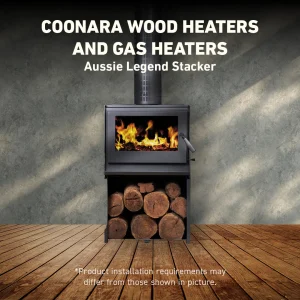
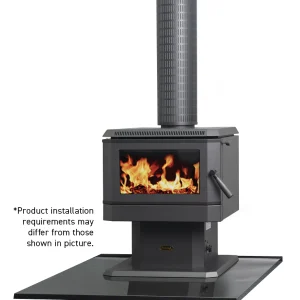
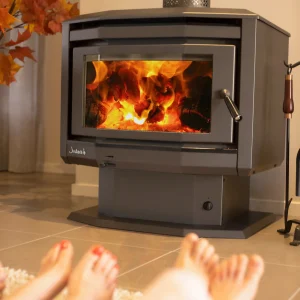
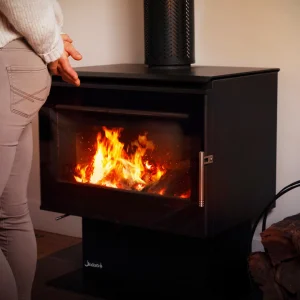
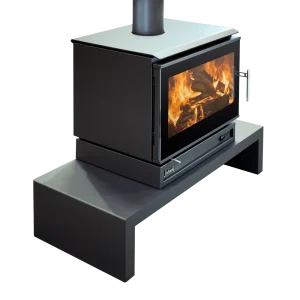
Our popular Coonara wood heaters
Linear Series (Nullarbor & Phoenix Models)
- Extra-wide viewing windows (up to 100cm across)
- Cast-iron lined fireboxes
- 3-speed fans for optimal heat distribution
- Heating capacity: 250-350m²
- Perfect for large, open-plan living areas
Woody Series
- Optional thermostat control
- 3-speed fan system
- Compact design suitable for smaller spaces
- Heating capacity: 150-200m²
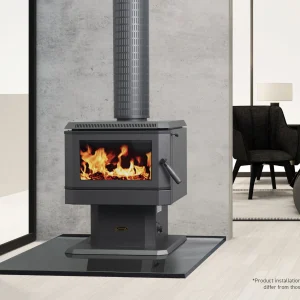
Our popular Jindara wood heaters
Outback and Hamersley Ranges
- 8mm steel baffles for superior heat retention
- Firebrick linings
- Thermostatically controlled fans
- Extended burn times up to 10 hours
- Heating capacity: 200-300m²
Franklin Radiant Heater
- Dual-skinned baffle system
- Firebrick lining for extended heat retention
- 6-8 hour burn times
- Ideal for consistent overnight heating
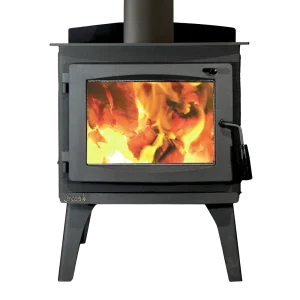
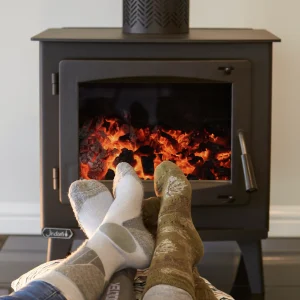
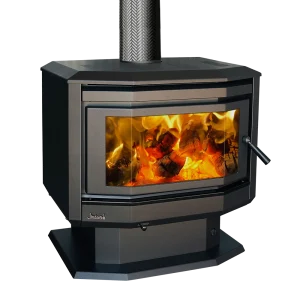
Our popular Heat Charm wood heaters
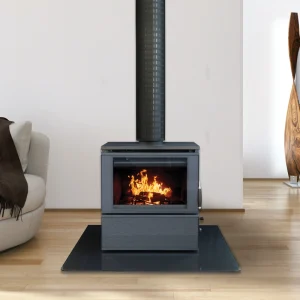
Our popular Kent wood heaters
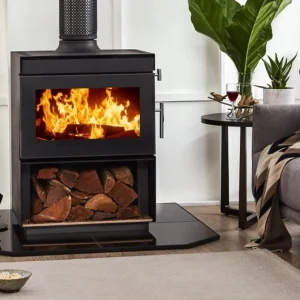
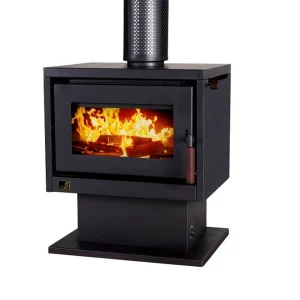
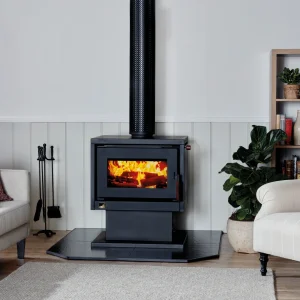
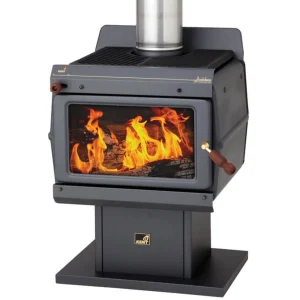
Our popular Kalora wood heaters
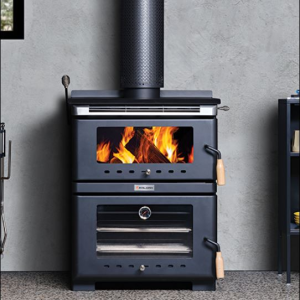
Fusion Series
- Dual-purpose: heating and cooking
- Heavy 5mm firebox construction
- Optional hot-water jacket
- Perfect for off-grid or rural properties
Calisto Range
- 25mm refractory baffle system
- Push-button 3-speed fan control
- Clean burn technology
- Heating capacities from 200-320m²